










































 Visitor Area
 store
store


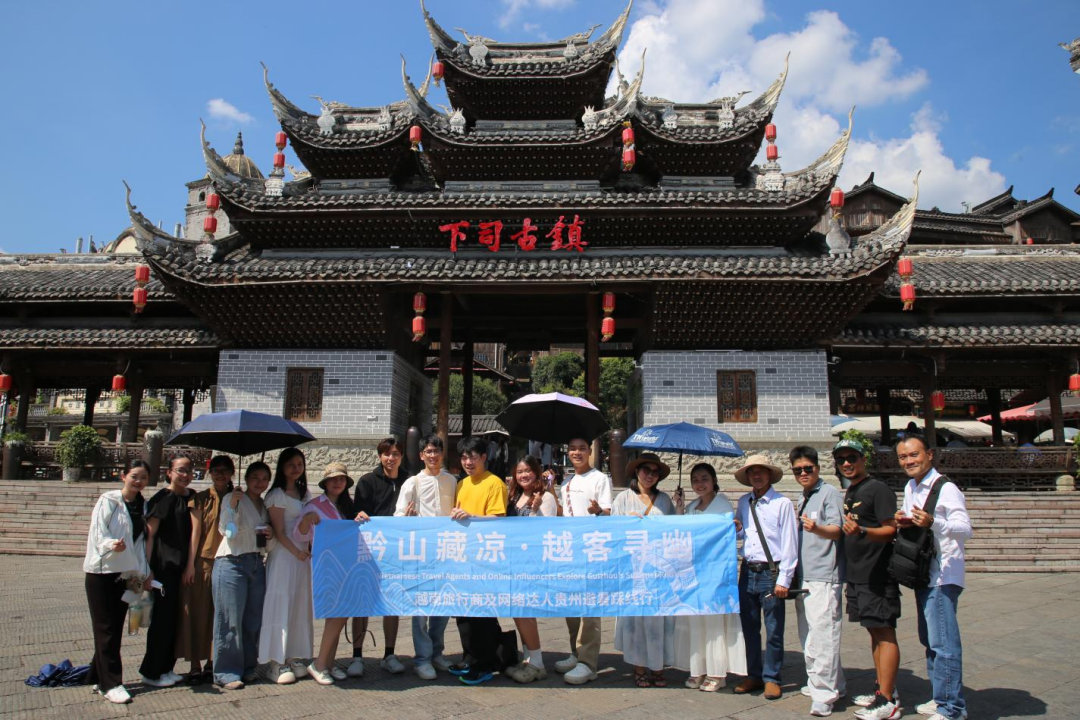
Vietnamese Young Travel Traders Arrive in Guizhou, Discovering a 23°C Mountain Adventure Destination
In the peak of July summer, while Vietnam experiences tropical heat, Guizhou welcomes visitors with refreshing mountain breezes. On July 13, a group of Vietnamese travel professionals, tourism media representatives and young travel influencers arrived at Guiyang Longdongbao International Airport aboard Colorful Guizhou Airlines flight GY702, beginning a summer retreat journey themed “Cool Mountains of Guizhou, Hidden Wonders for Vietnamese Travelers.”
The trip aims to connect tourism resources between Guizhou and Vietnam, meeting the growing demand among Vietnamese travelers for summer escapes, nature exploration and cultural experiences, while expanding Guizhou’s Southeast Asian inbound tourism market.
Upon arrival, the group was impressed by Guizhou’s comfortable 23°C summer climate. A Vietnamese young travel influencer shared: “Vietnam is hot and humid throughout the year, but Guizhou feels completely different. The cool weather, beautiful landscapes and unique culture make it an ideal summer destination for Vietnamese travelers.”
During the five-day journey, the group explored Guizhou’s iconic destinations, including Qingyan Ancient Town, Xijiang Qianhu Miao Village, Zhenyuan Ancient Town, Miao cultural museums and Xia Si Ancient Town. They experienced traditional Miao handicrafts, visited the famous Huajiang Canyon Bridge, explored Guiyang’s night markets and tasted local specialties such as Guiyang beef rice noodles.
To match the travel preferences of younger Vietnamese travelers who seek authentic experiences, shorter trips and more interactive activities, the itinerary combines mountain adventures, intangible cultural heritage experiences, night markets and urban lifestyle scenes.
With direct flights connecting Hanoi and Guiyang, as well as the newly launched Guiyang–Ho Chi Minh City route, travel between Vietnam and Guizhou has become increasingly convenient. Supported by China’s 240-hour visa-free transit policy and improved tourism services, Guizhou is becoming a new summer destination for Vietnamese youth.
The event will continue until July 16. After the trip, participating travel professionals and young influencers will share their experiences through social media, introducing more Vietnamese travelers to Guizhou—the 23°C mountain paradise of summer.
Mysterious Guizhou
