


































 Visitor Area
 store
store


Tunpu Culture
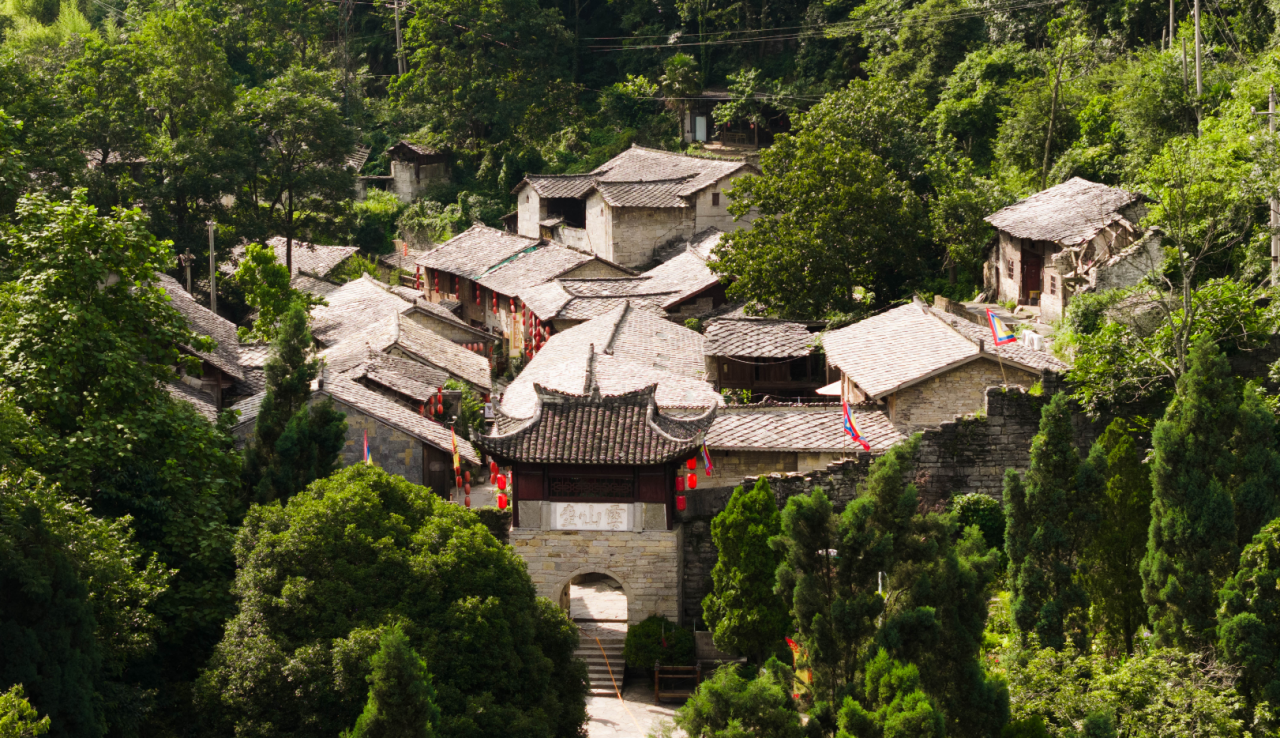
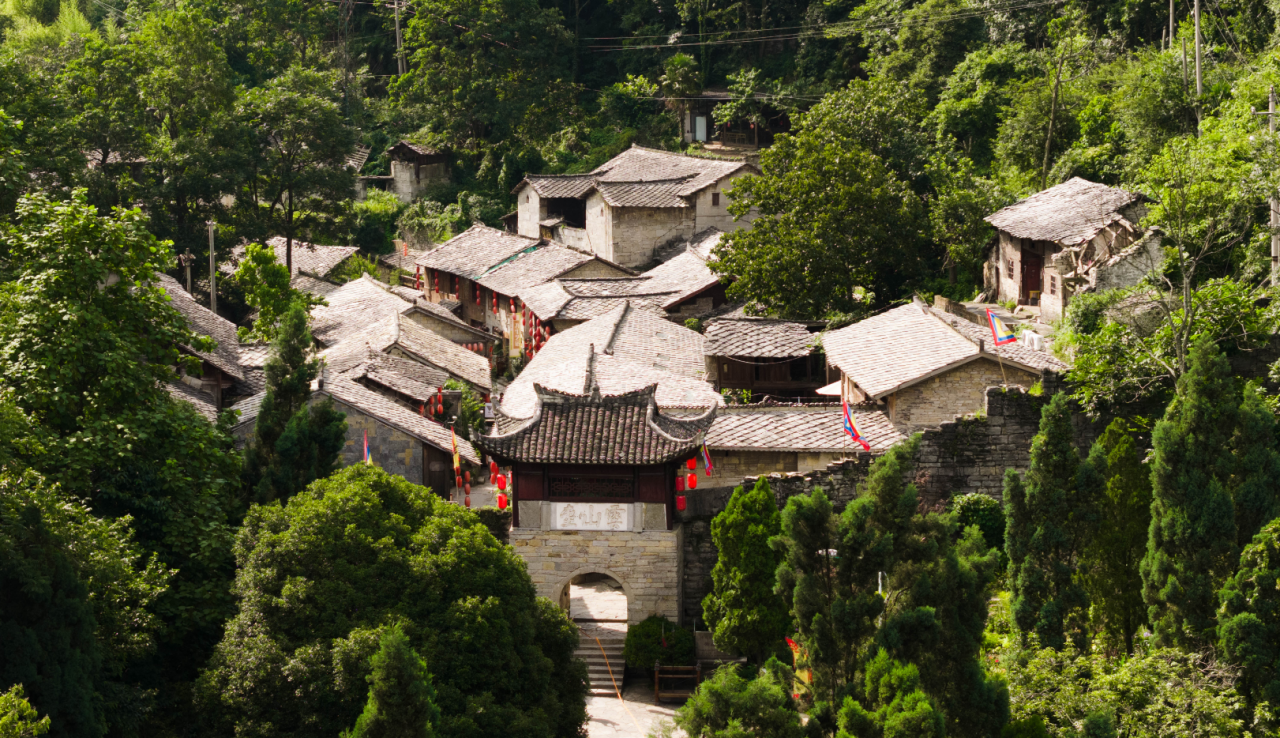
Stone villages embody a legacy of military spirit, while local opera reflects Ming-dynasty charm. Six centuries of perseverance are quietly woven into the landscape of central Guizhou.


Cultural Overview
Centered around Anshun in Guizhou, more than 300 traditional villages are preserved across over 1000 square kilometers, where over 200,000 descendants of Ming-dynasty military settlers and civilian households, known as "Tunpu people", reside.
Rooted in the early Ming Dynasty’s military garrison system of "Northern Expedition to the South", Tunpu Culture has evolved into a distinct and uninterrupted cultural system for over 600 years. With well-preserved Ming-style attire, ground opera performances, and stone architecture, Tunpu retains the legacy of the Ming dynasty. It stands as "a living fossil of the Ming dynasty", telling the legendary stories of border defense and cultural preservation.
Cultural Essence
01
Military Garrison Settlements
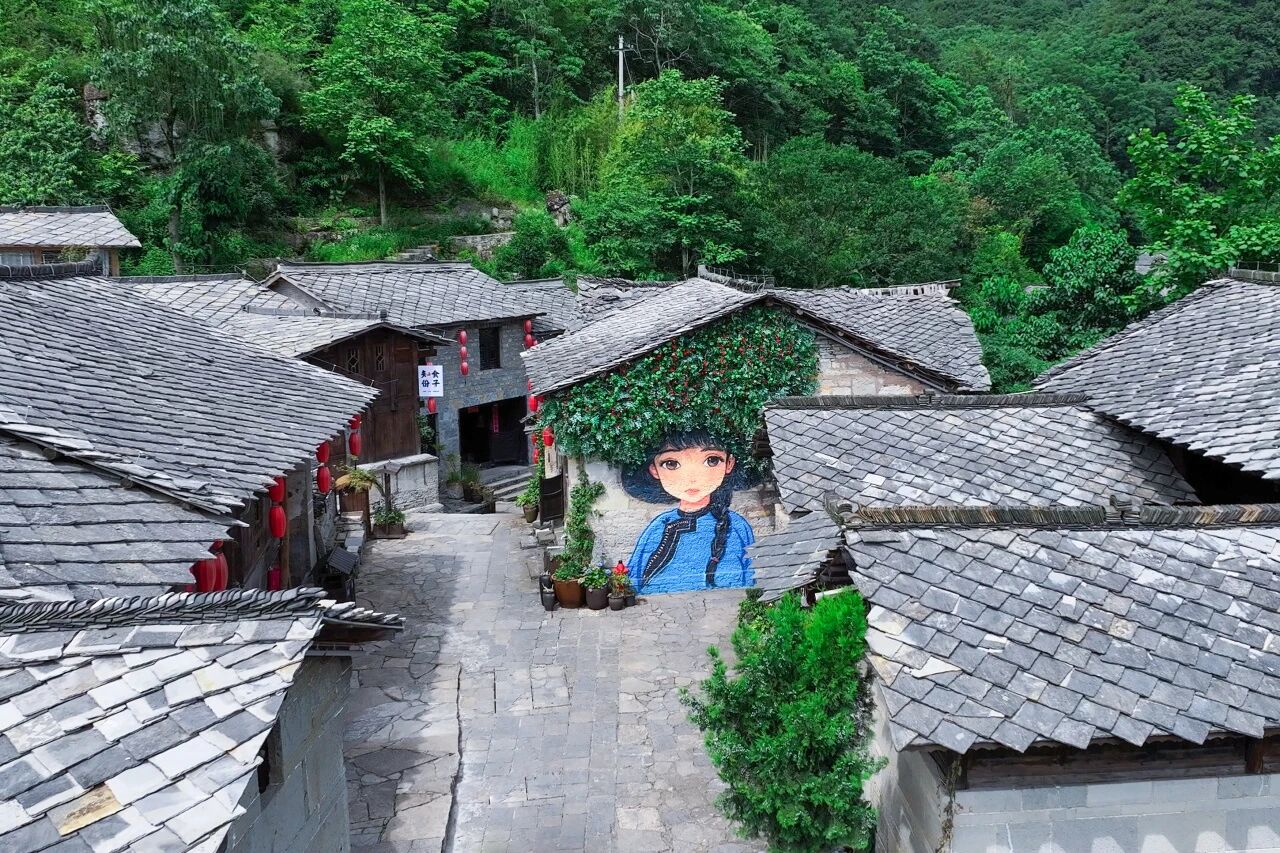
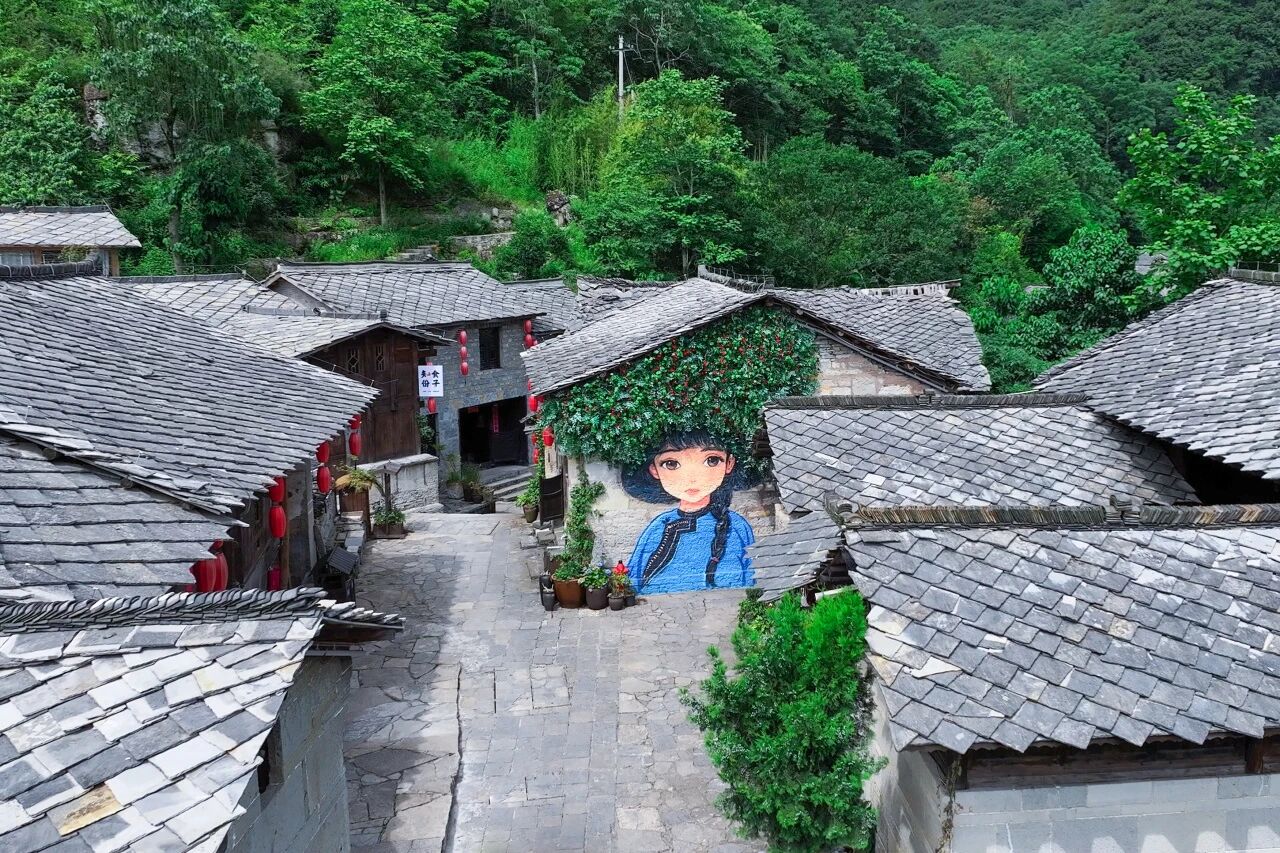
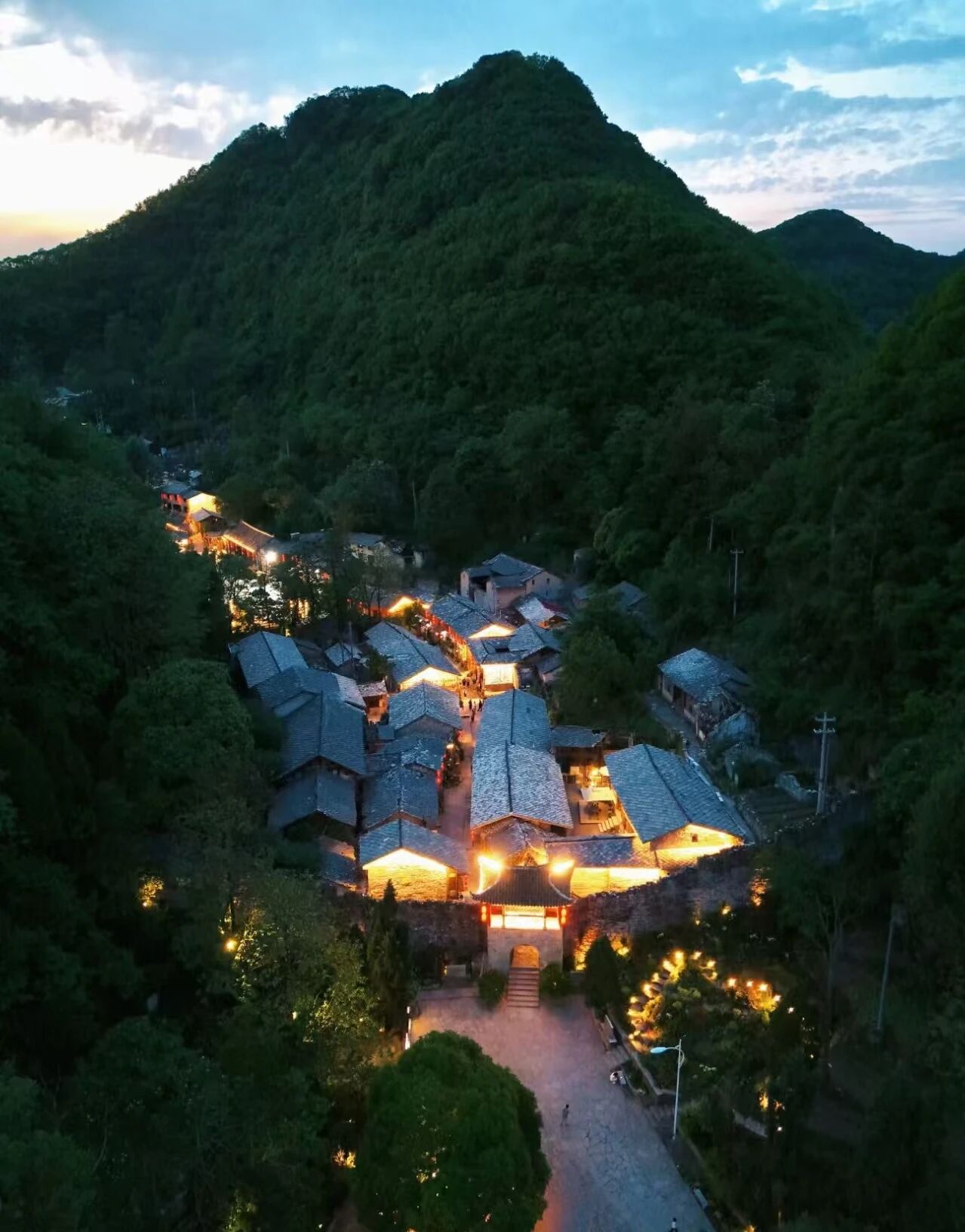
Built primarily with local bluestone, these villages feature stone walls up to dozens of centimeters thick and adopt a fortress-style layout. Serving both military defense and daily living purposes, they stand as historical testimony to the frontier garrison’s legacy of "soldiers as civilians, and the unity of military service and farming".
02

Tunpu Ground Opera
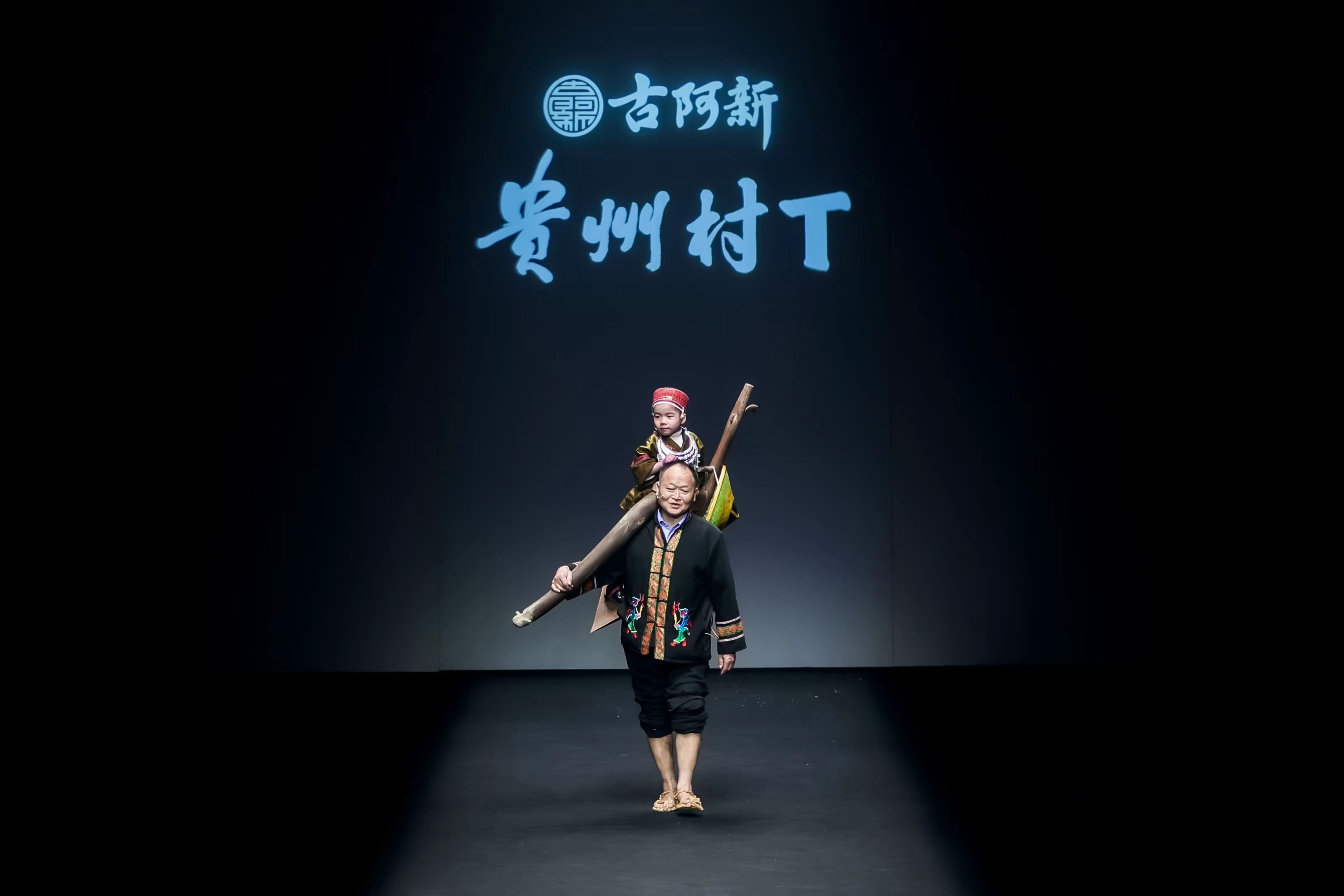
Performers are distinguished by their wooden painted masks, clad in simple battle costumes and armed with weapons. They use bold vocalizations and powerful dance moves to enact war stories from the "Romance of the Three Kingdoms" and "Yang Family Generals", reviving the legacy of military rituals and drills from the Ming dynasty.
03

Traditional Folk Customs
Preserving the Ming-dynasty costume style of "Fengyang Han Clothing", treasuring wedding rituals like "weeping marriage" and "presenting military shoes" that carry the memories of frontier defense, retaining Jiang–Huai Mandarin words in daily language, and upholding ancient Han traditions in festivals and etiquettes—these customs completely preserve the cultural genes of the Han ethnicity.
04

Ancient techniques
Silverware forging continues the Ming Dynasty's wire-drawing and chiselling craftsmanship; traditional textiles are entirely handwoven from homespun fabrics; cake production adheres to ancient methods of imprinting auspicious patterns. These skills embody the Ming Dynasty's artisanal wisdom and aesthetic pursuits.
Cultural Landmarks

Yunfeng Tunpu
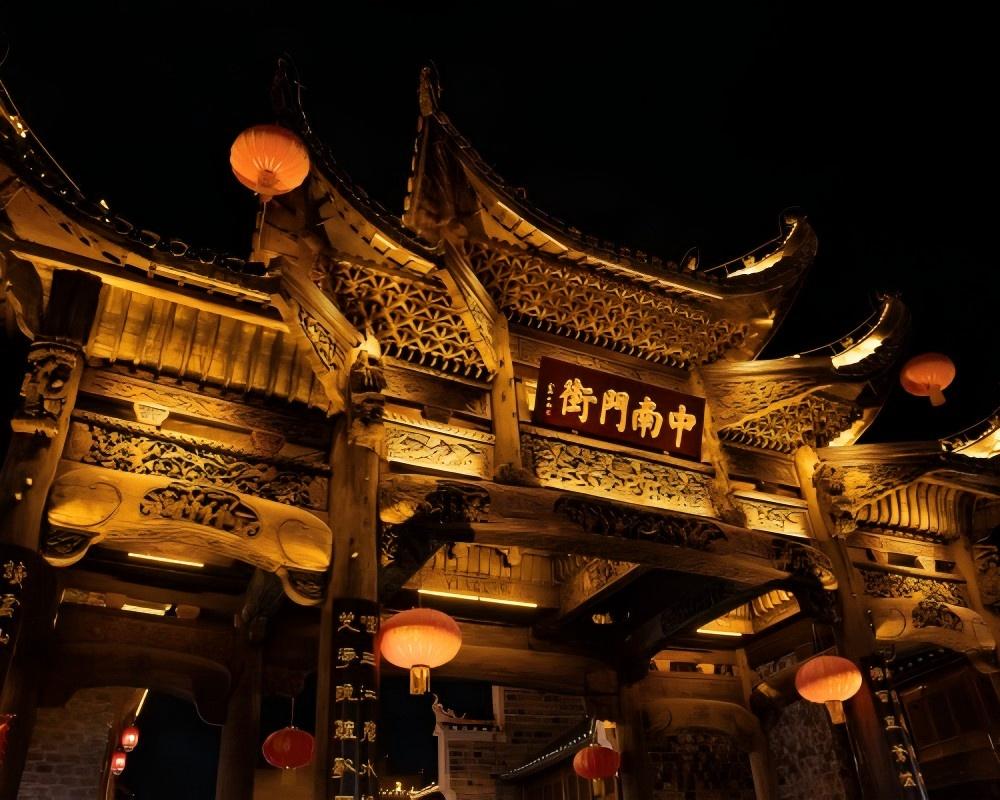
Known as the "Homeland of China's Tunpu Culture," it features well-preserved watchtowers, beacon towers, and city gates, with observation holes and embrasures built into the city walls. Stone streets, houses, and courtyards are scattered across the village in an orderly layout, perfectly preserving the living scenes of the ancient military garrison. Visitors can also enjoy a military garrison banquet.

Tianlong Tunpu
Stone walls with black-tiled roofs and intricately carved window frames perfectly showcase the Ming dynasty style. Watch authentic local opera performances and villagers working in traditional "Fengyang Han Clothing" here—the ideal place to touch this "living fossil of the Ming dynasty".

Baojiatun Village
Boasting a well-preserved Ming military defense system, this village is laid out in the Bagua pattern, with watchtowers and fortress walls forming a three-dimensional defense network. Its Ming-era "fish mouth" water diversion project still functions for irrigation today, exemplifying the brilliance of ancient water conservancy engineering.

Huashishao Buyi Village
This village combines Tunpu stone architecture with Buyi ethnic culture. During the Lunar March 3 Singing Festival, Tunpu folk songs meet Buyi love ballads. The "Eight-Bowl Feast" merges Tunpu's savory flavors with Buyi's sour-spicy tastes—a vivid display of the unique scene where "military garrison culture coexists with ethnic customs".


Recommended Routes

Tunpu Exploration
Duration
1
Days
Highlights
Cultural experience

Military Garrison Trail
Duration
2
Days
Highlights
Nature and culture

Ming Dynasty Heritage
Duration
3
Days
Highlights
Nature and culture
Cultural Experience
Welcome to the ancestral lands of Tunpu, where you may experience the enduring legacy of six centuries of military settlements amidst the ancient charm of stone fortresses, and discover the wisdom of village life within the enduring cultural heritage.

Exploring Stone Villages

Exploring Stone Villages
Wander through stone-paved lanes and houses, touch the time-worn stone walls, and feel the faint traces of the Ming frontier soldiers and settlers who once tilled and guarded here.

Watch Ground Opera Performances
Watch Ground Opera Performances
Watch the "spirit dancers" in painted masks and with weapons in hand as they act out stories of loyalty from the "Romance of the Three Kingdoms" and "Yang Family Generals", and enjoy the rustic charm of this traditional opera.

Savoring Tunpu Cuisine
Savoring Tunpu Cuisine
Taste soft and sweet rice cakes, savory and rich Eight-Bowl Feast, and other local treats. Immerse yourself in Tunpu's food culture amid the vibrant atmosphere, with each bite offering a century-old legacy of flavor.
Mysterious Guizhou

