





























 Visitor Area
 store
store


Kam Grand Choirs
Harmonies from Dong villages, singing the natural sounds of celestial music.
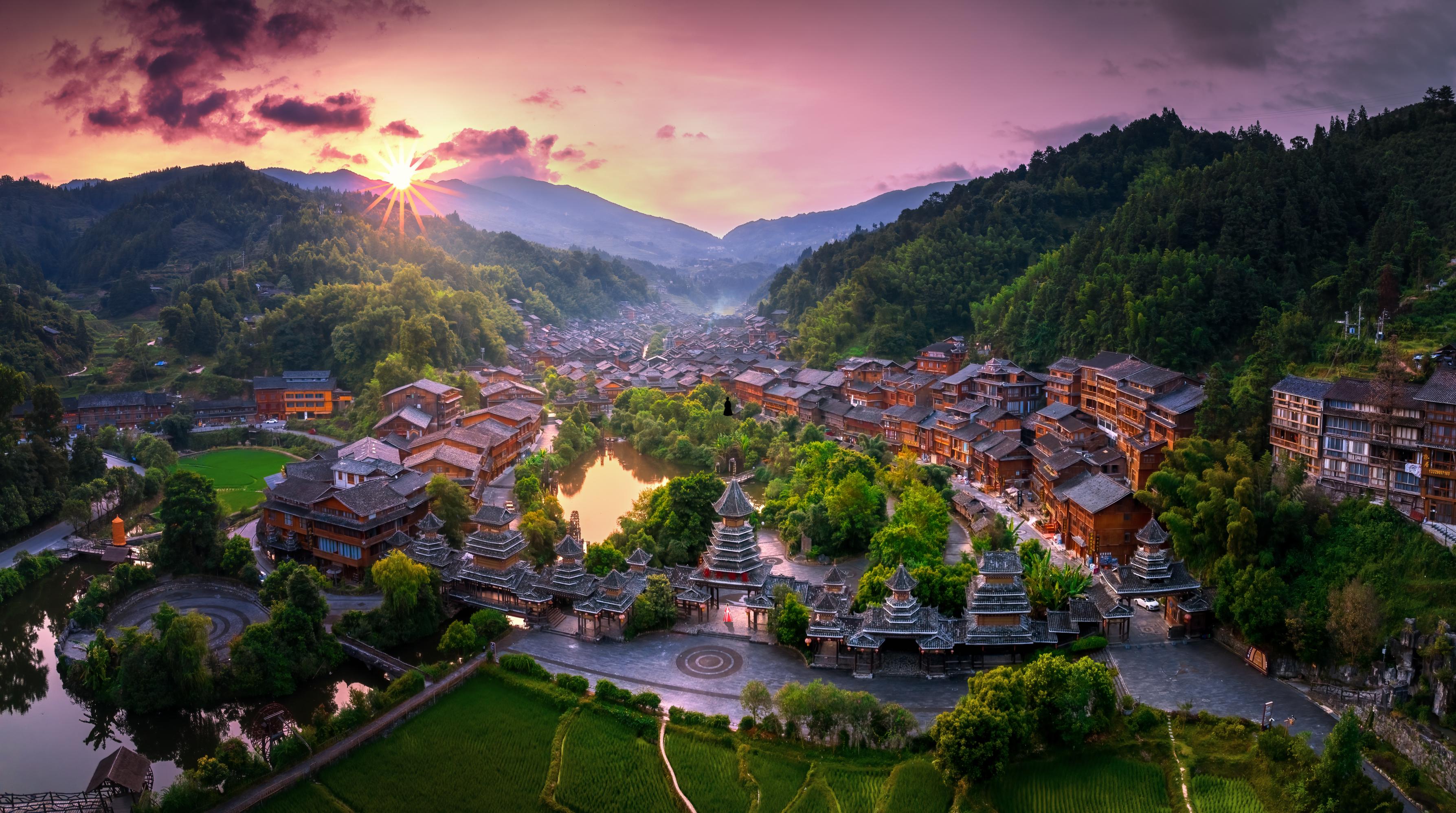
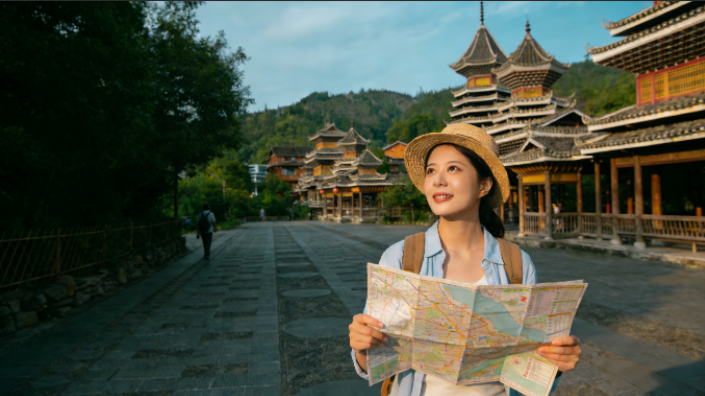
Known as “Galao” in the Dong language, the Kam Grand Choirs is a polyphonic, unconducted, unaccompanied folk choral tradition passed down in China's Dong-inhabited regions. Its origins trace back to the Spring and Autumn and Warring States periods, reaching maturity by the Song Dynasty. Primarily practiced in southern Dong-speaking regions like Liping, Congjiang, and Rongjiang in Guizhou, as well as Sanjiang in Guangxi, it was inscribed on China's National Intangible Cultural Heritage List in 2006. In 2009, it was successfully added to UNESCO's Representative List of the Intangible Cultural Heritage of Humanity, hailed as “the voice of a people, a culture of humanity.”
The Kam Grand Choirs serves as the core vehicle and spiritual pillar of Dong culture. Artistically, it employs a polyphonic choral form where “many voices are low while one voice is high,” mimicking the sounds of nature with beautiful and harmonious melodies. Its content is exceptionally broad, encompassing historical narratives, ethical teachings, and knowledge of production, making it the “encyclopedia” of Dong society. Within the Dong philosophy of “food nourishes the body, song nourishes the soul,” singing plays a central role in nurturing the spirit. Transmitted orally and through heart-to-heart teaching by master singers and passed down through village song groups across generations, the Grand Song is not only a vital musical art form but also the core bond sustaining Dong social structure, cultural transmission, and community spirit.
Mysterious Guizhou
