























 Visitor Area
 store
store


Travel across Guizhou Inspired by the Film Four Crossings of the Chishui River
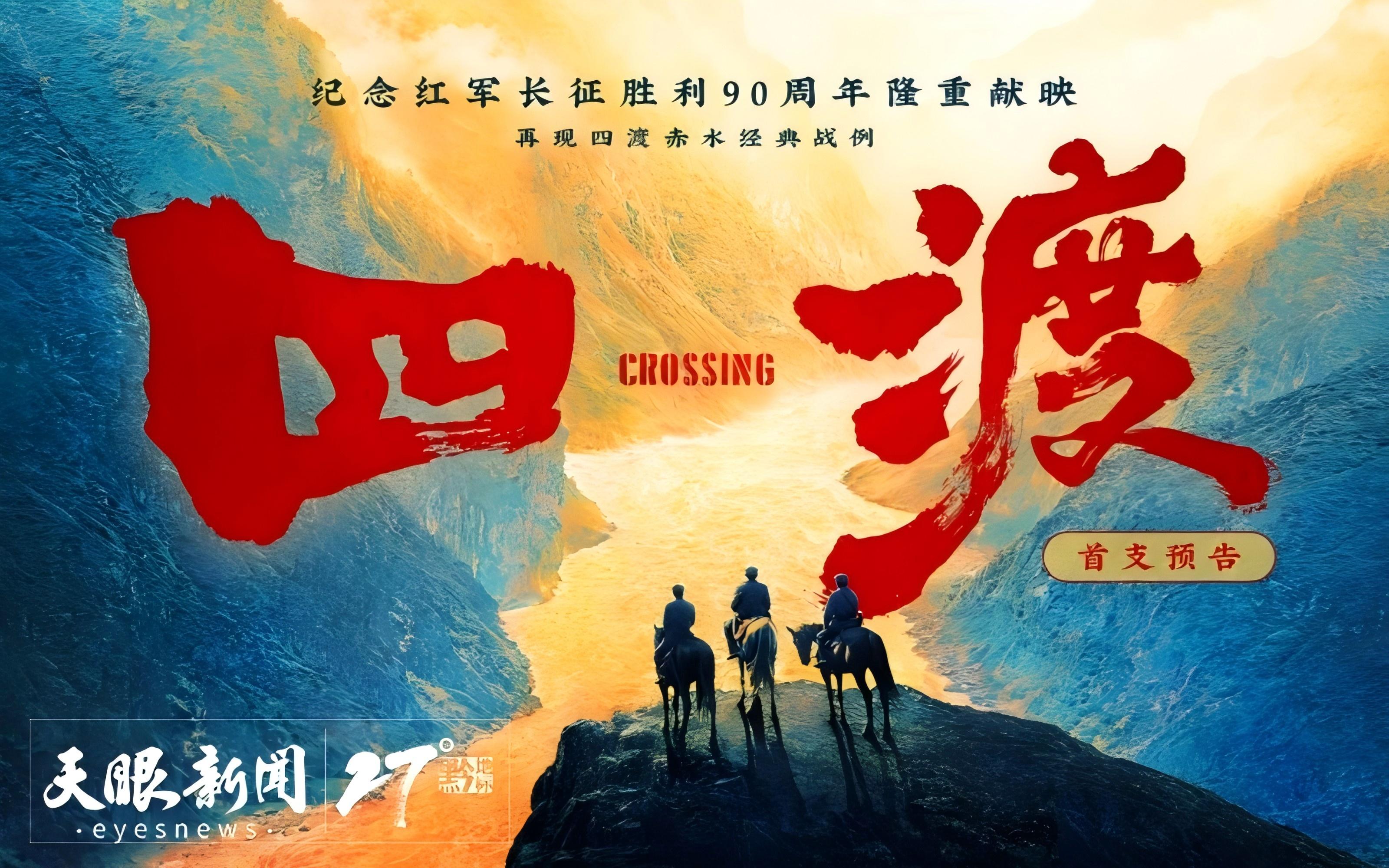
The epic Long March film Four Crossings of the Chishui River will be released nationwide on June 26. Since its release date was confirmed in April, the film has held multiple preview screenings in Beijing and Guiyang, appeared at the Beijing International Film Festival, and been screened and discussed at Peking University and the Chinese People's Revolutionary Military Museum, winning widespread acclaim.
During production, the crew deeply experienced Guizhou’s landscapes, profound red culture and local customs. Seizing the opportunity brought by the film’s IP influence, Guizhou has rolled out a full set of supporting policies for film-tourism integration. Aligning with the film’s shooting locations and the actual marching route of the Red Army during the Four Crossings of the Chishui River, Guizhou promotes integrated development of red culture, natural scenery and ethnic customs. The province-wide brand promotion campaign Travel across Guizhou Inspired by the Film Four Crossings of the Chishui River is now in full swing.
The entire film was shot in Guizhou, covering 32 locations and 107 scenes. In the early stage, the crew traveled across northern and southern Guizhou along the Red Army’s marching route for location scouting. Lau Wai-keung, the film’s supervising director, personally retraced the Long March route in Guizhou. He required the crew to create the work with reverence, telling the legendary story of the Long March based on Guizhou’s authentic landscapes and local culture.
[Photo]
Historical Background of the Four Crossings of the Chishui River
1. First Crossing: Started at Qinggangpo, Tucheng in Xishui, where the Red Army fought a breakout battle.
2. Second Crossing: The Red Army returned and crossed the river at Taipingdu and Erlangtan, captured Loushan Pass and reoccupied Zunyi, achieving a major victory during the Long March.
3. Third Crossing: A feint attack on southern Sichuan to contain the enemy’s main forces.
4. Fourth Crossing: A rapid march back to northern Guizhou, successfully breaking through the encirclement of hundreds of thousands of enemy troops.
Key red landmarks including the Former Site of Zunyi Conference, Former Site of Gouba Conference, Loushan Pass Battle Site, Tucheng Ferry, Maotai Ferry, Taipingdu Ferry and Erlangtan Ferry form the core historical route of the Four Crossings of the Chishui River.
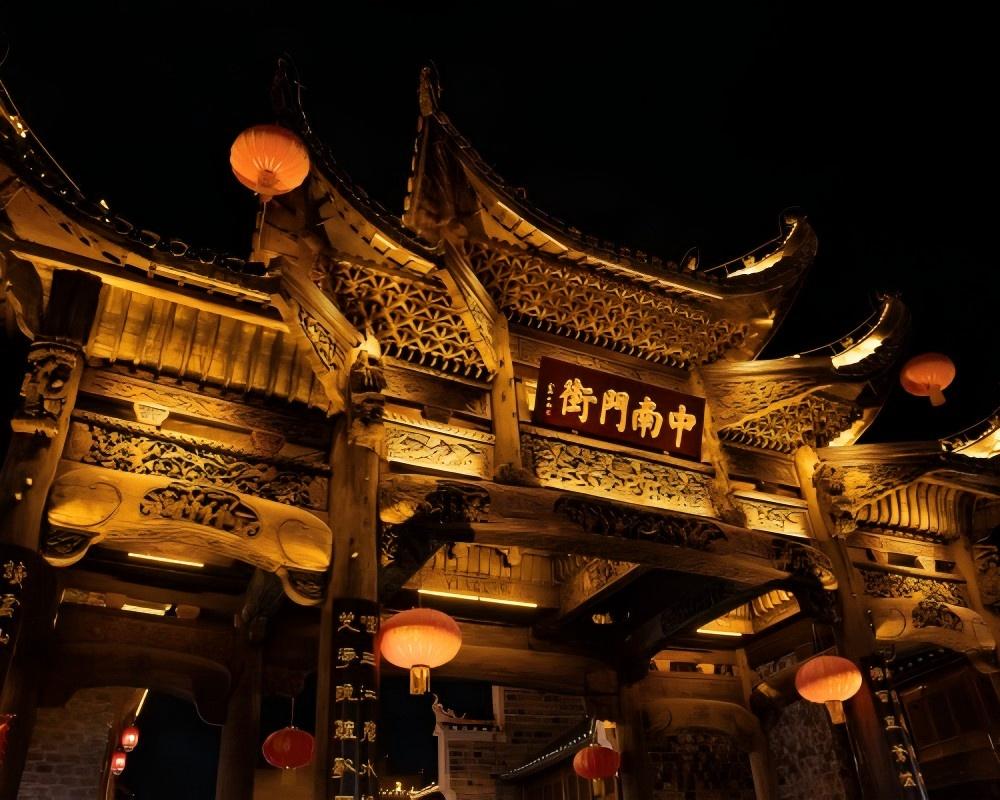
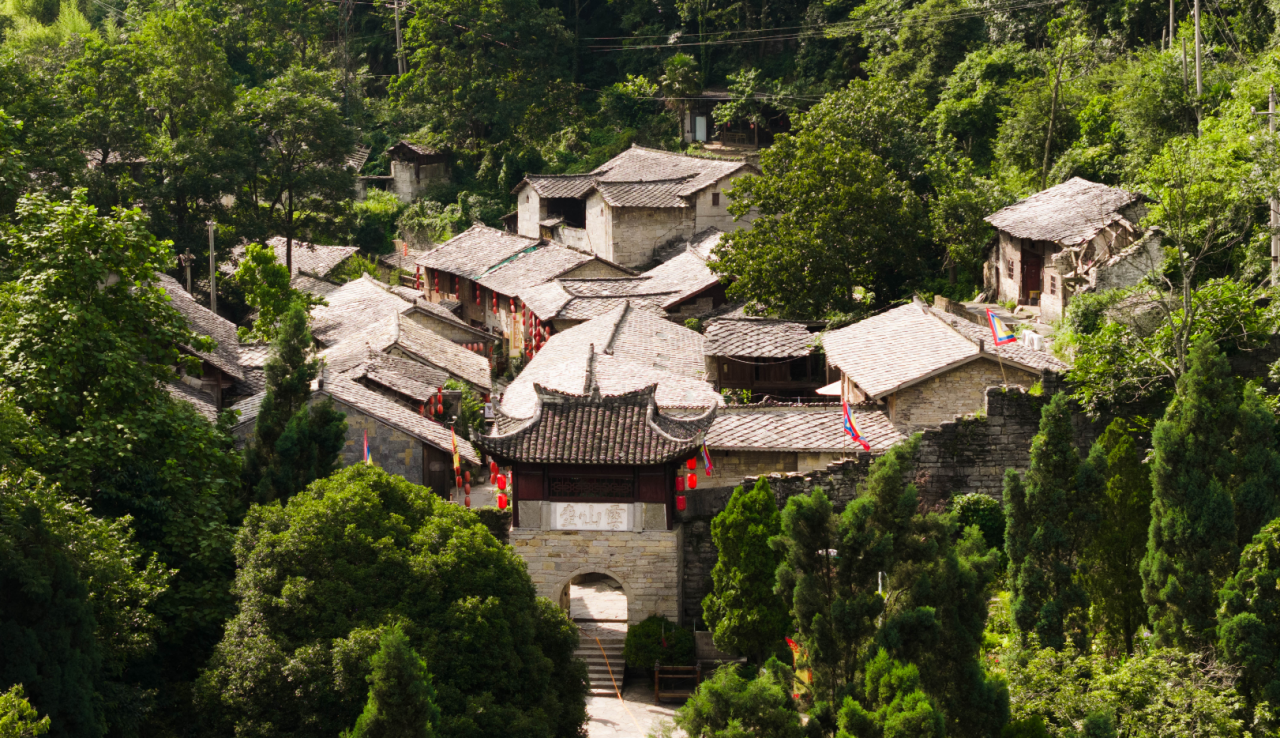
All core red landmarks are featured in the film. The fierce battle scenes at Loushan Pass were filmed on the actual historic site. The entire Tucheng Ancient Town served as the main shooting location for the First Crossing. The marching scenes of the Third Crossing were reproduced authentically at Maotai Ferry, and the Former Site of Gouba Conference was used for on-location shooting. The shooting locations also extend to Houchang in Weng’an and Fuquan Ancient City, enriching the footage with ancient city walls and mountain paths. All passes, ferries, streets and river valleys in the film are accessible tourist spots in reality.
Guizhou cultural and tourism authorities have sorted out two parallel travel systems: the historical Long March route and the film shooting route, creating a red tourism system for sightseeing, study tours and historical exploration. Two types of travel products are available:
1. A 6-day-5-night in-depth study tour Retrace the Footprints of Four Crossings of the Chishui River*, connecting film locations and revolutionary sites.
2. A 2-day-1-night family short tour combining red film exploration and local delicacies.
Both routes integrate natural scenic spots such as the Chishui Danxia Landform and mountain valleys, delivering a one-stop experience of red culture tracing, film location sightseeing and landscape appreciation.
Visitors can stand at Tucheng Ferry to relive the battles of the First Crossing with reference to film scenes, climb Loushan Pass to admire the grand landscape and feel the revolutionary spirit, and visit memorial halls to study historical materials, completing the journey from emotional resonance with the film to in-depth understanding of history.
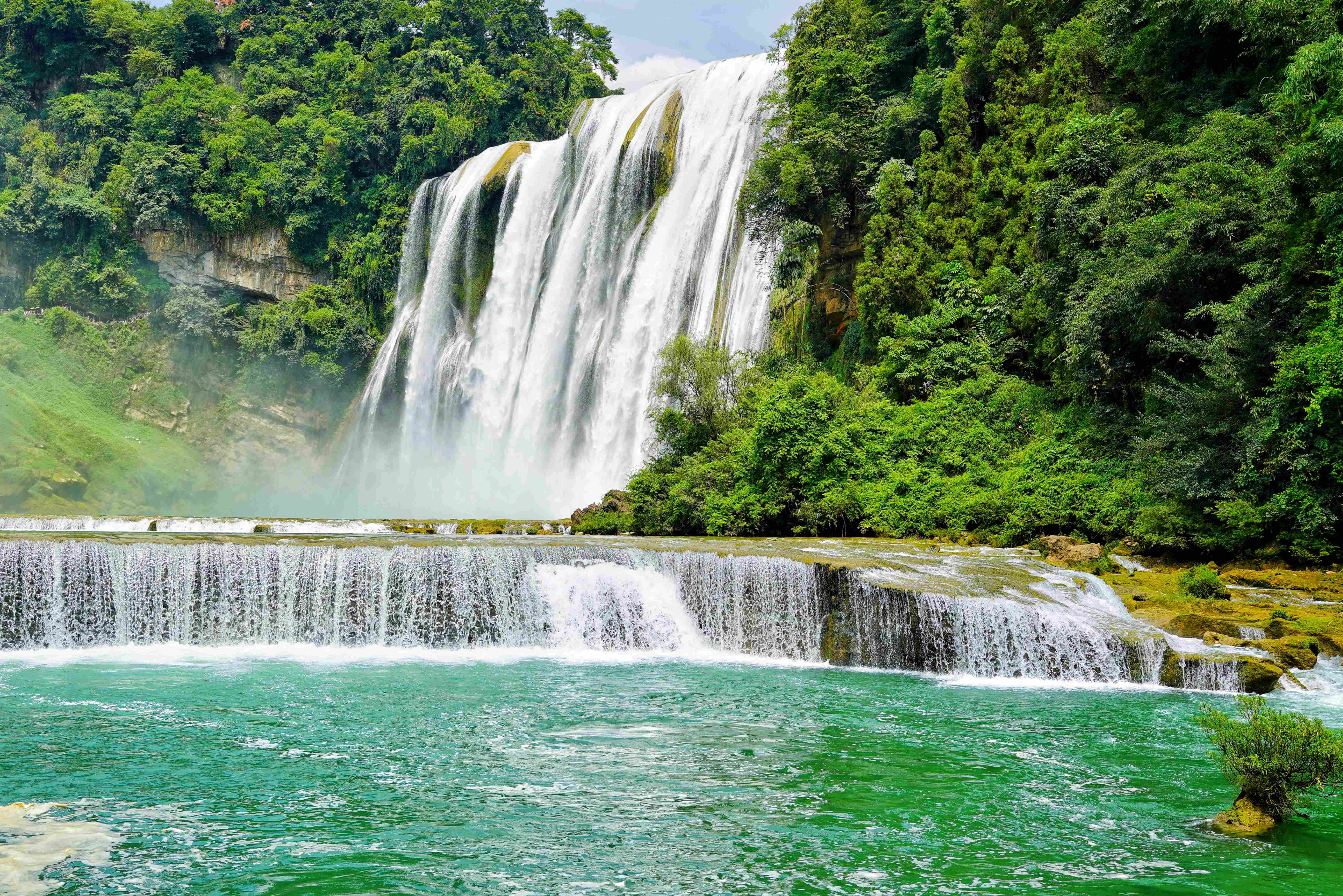
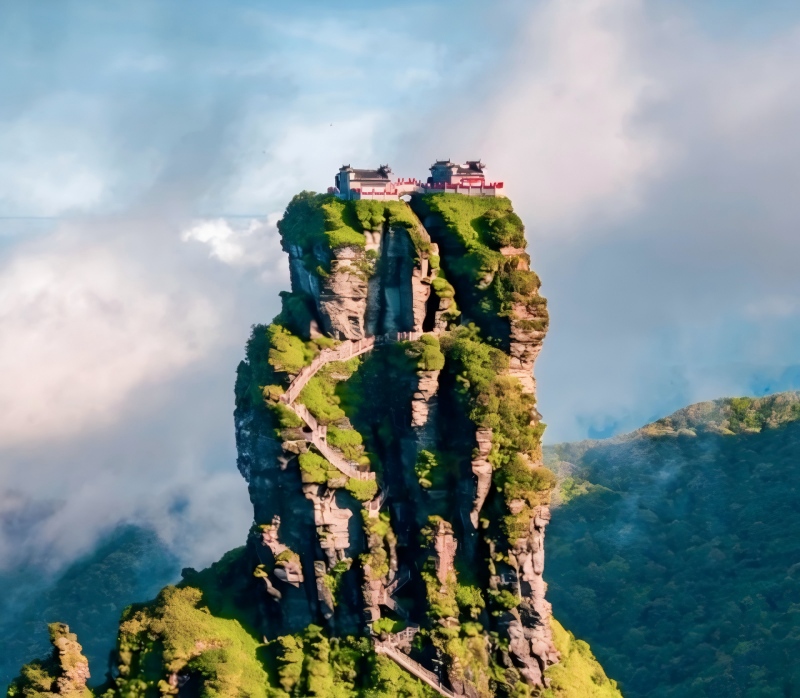
During the film’s theatrical run, Guizhou has partnered with major ticketing platforms to distribute electronic movie coupons of 10 CNY and 15 CNY nationwide. Tourists outside Guizhou who hold a ticket stub of Four Crossings of the Chishui River (issued between June 26 and July 26) can verify the ticket on the One Code Tour Guizhou platform before December 31, and enjoy one free admission to a state-owned A-level tourist attraction in Guizhou (excluding franchised projects). Top scenic spots including Loushan Pass, Chishui Danxia Landform, Fanjingshan Mountain and Huangguoshu Waterfall are all included in the offer.
On June 10, Guizhou Tourism Group launched the film-tourism themed campaign March Forward in the Spirit of the Four Crossings – Youth Travel with Guizhou Tourism. A 5-day-4-night immersive red-themed tour Retrace the Red Journey and Learn the Spirit of the Four Crossings was released. The Youth Travel Privilege Card was also launched, offering discounts on buffets at designated hotels, 30% off selected homestays and 10% off all tourism and study tour products. The privileges apply to independent travel, group tours and customized study tours.
Guizhou continues to promote film-tourism integration policies and explore mutual benefit mechanisms between cinemas and scenic spots to attract visitors, forming a virtuous cycle: Movie viewership drives tourism, and tourism boosts box office performance. A person in charge of Guizhou Provincial Department of Culture and Tourism stated that the brand Travel across Guizhou Inspired by the Film Four Crossings of the Chishui River is not a short-term marketing campaign, but a landmark practice for Guizhou to realize in-depth integration of red culture, ecological tourism and ethnic folk culture.
Mysterious Guizhou
