








































 Visitor Area
 store
store


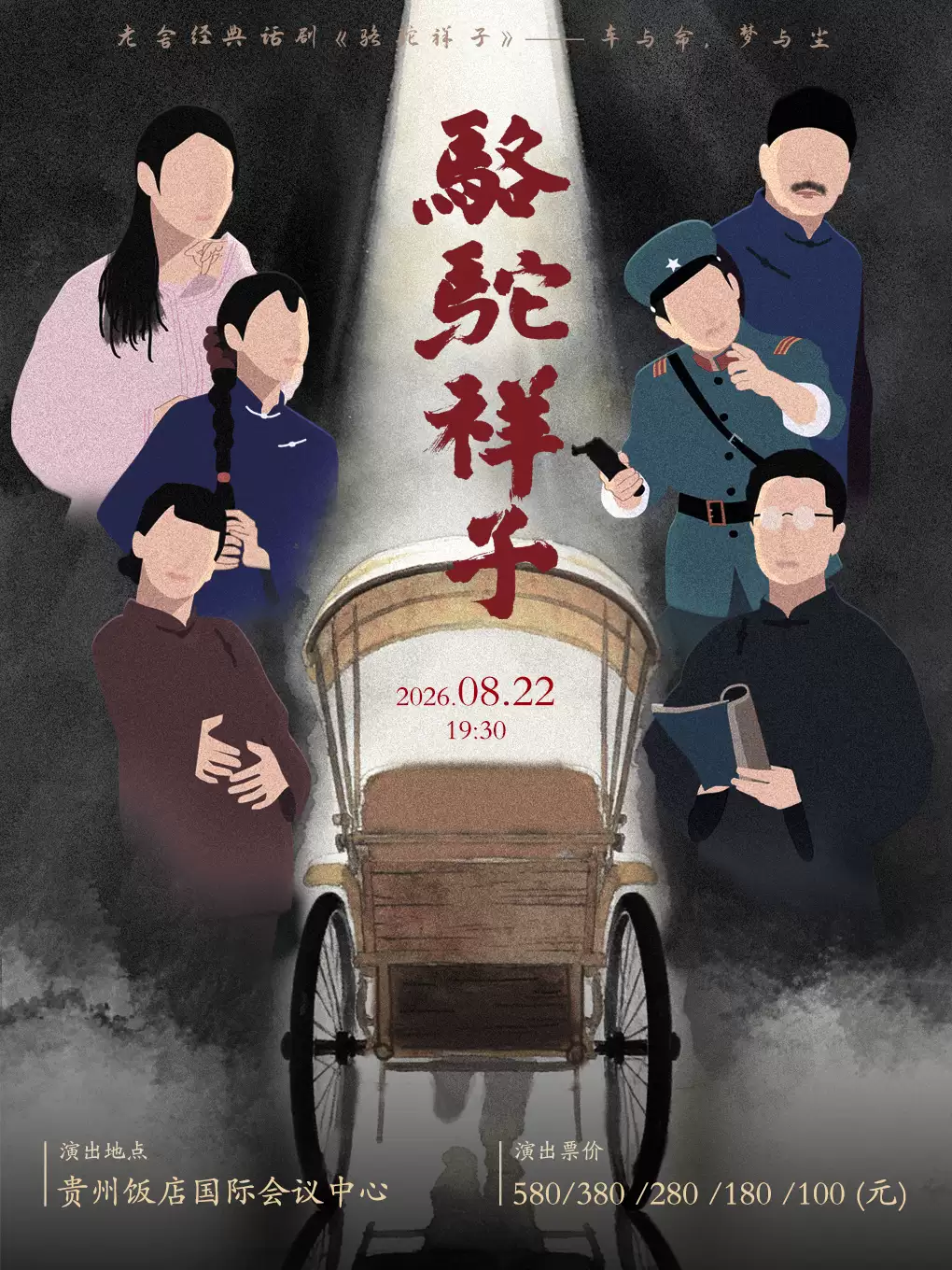
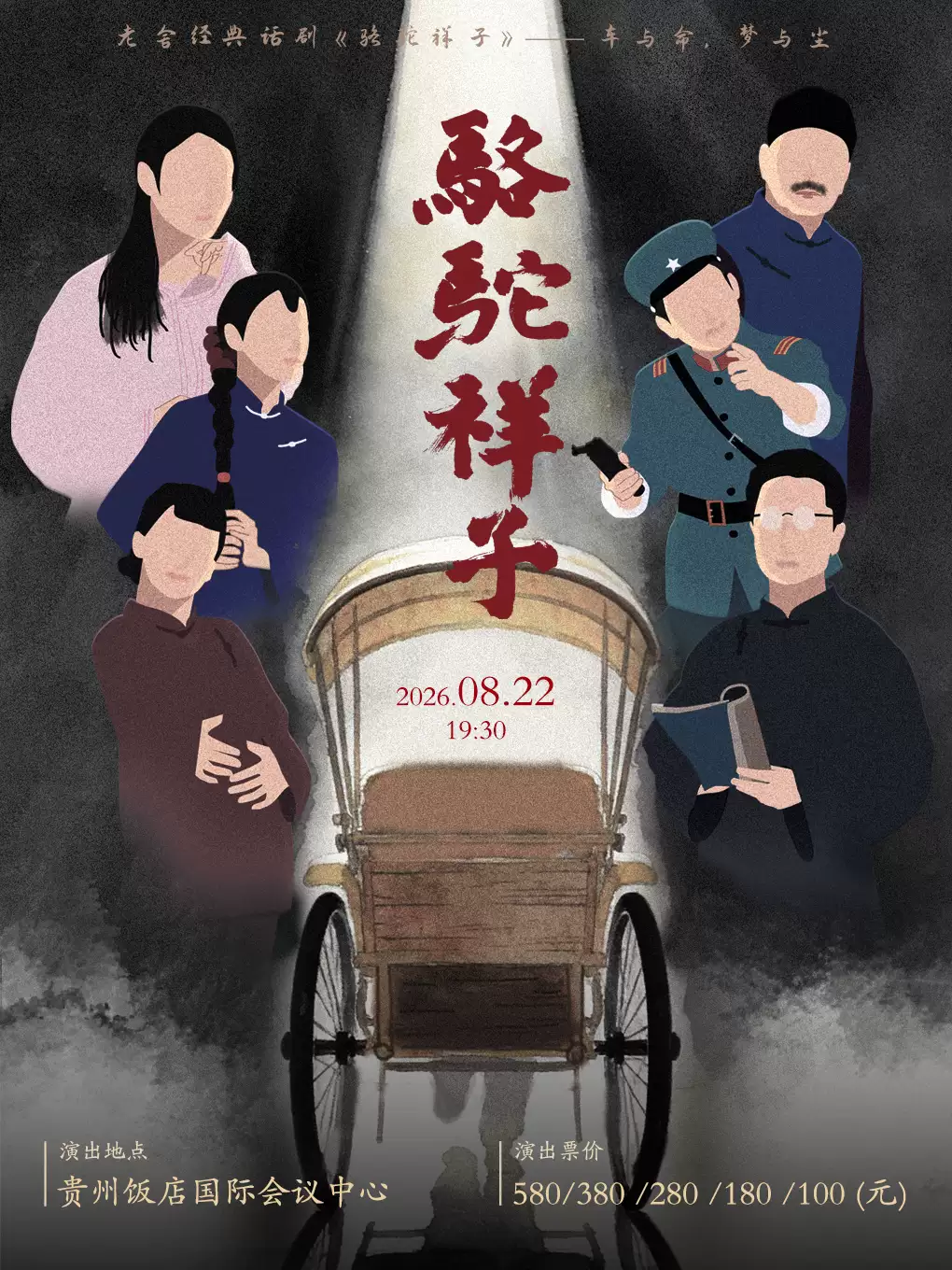
"Rickshaw Boy" (Luotuo Xiangzi) is a full-length novel written by the celebrated author Lao She in 1936. Centred on the tragic fate of Xiangzi, a rickshaw puller in 1920s Beijing, the novel stands as a profound indictment of the suffering endured by the lower strata of society in pre-modern China. Widely recognised as a landmark of modern Chinese literature, it has been acclaimed as "the finest Chinese novel on the eve of the War of Resistance Against Japan." Since its publication, the work has been adapted for the theatrical stage on numerous occasions.
The current production is presented by Shandong Shibo Performing Arts Co., Ltd., bringing together a distinguished ensemble of creative professionals — including director Chen Shuiqing and renowned stage design expert Gao Xiangfa — in partnership with multiple arts institutions across Shandong Province. While remaining faithful to the spiritual essence of the original novel, the production introduces a series of bold artistic innovations. Most notably, it marks the first time the character "Madam Xia" (Xia Yitai) has been brought to the stage, significantly enriching the network of character relationships and elevating the dramatic tension throughout.
This production is dedicated to honouring the narrative architecture of Lao She's original text, whilst seeking to excavate its deeper spiritual core. Xiangzi's tragedy is inextricably bound to the historical context and social structure of his era; at the same time, the production endeavours to uncover the universal roots of his tragic destiny — roots that transcend time and geography — so as to forge a more profound resonance with contemporary audiences. The work focuses particularly on Xiangzi's psychological transformation: tracing his journey from a spirited and ambitious young man, to a middle-aged drifter swept along by circumstance, and ultimately to a man who buries himself — illuminating the enduring and universal human value embodied by this iconic figure.